



The colorful slides of water parks, the scenic floating bridges on lakes, the Playground facilities in parks — most visitors focus on the experience and rarely notice the manufacturing process behind them. With advantages such as one-piece molding, seamless hollow structures, and flexible shaping, rotomolding has become the mainstream manufacturing solution for modern outdoor Playground, suiting special conditions such as water and outdoor environments.
As the domestic cultural tourism market recovers and scenarios upgrade, the application of rotomolding keeps expanding — from basic Playground to a full range of cultural tourism facilities, covering water facilities, non-powered amusement, scenic landscaping, municipal supporting facilities, and modular vacation houses. It is an important technical support for the lightweight, high-quality construction of cultural tourism projects.
1. Why Rotomolding Works for Playground and Cultural Tourism Equipment
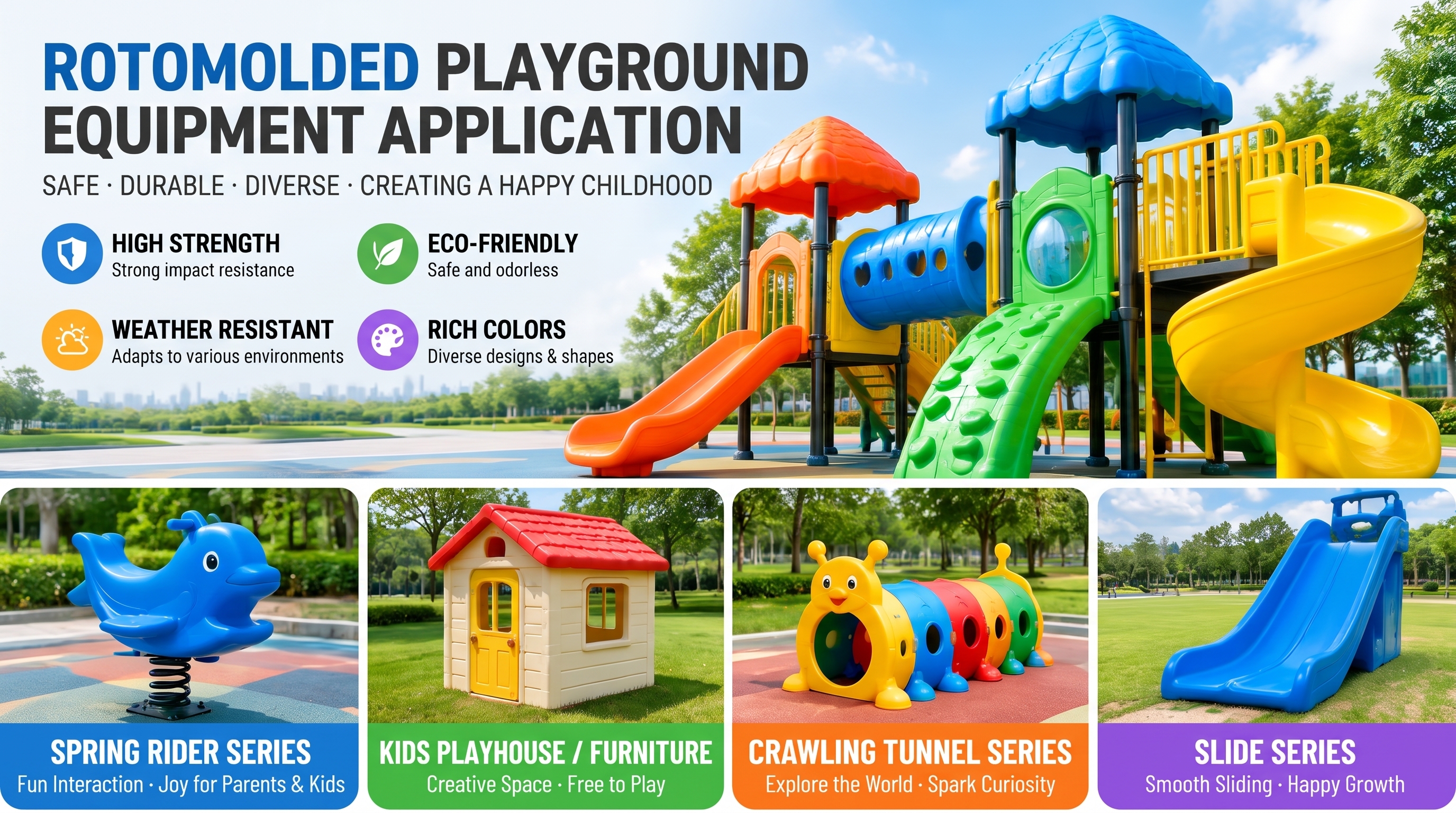
Outdoor Playground and cultural tourism facilities face similar working conditions: long-term outdoor sun exposure, repeated impact loads, and erosion from water environments, together with high requirements for safety and durability. The characteristics of the rotomolding process happen to address these challenges.
1.1 One-piece molding eliminates structural risks
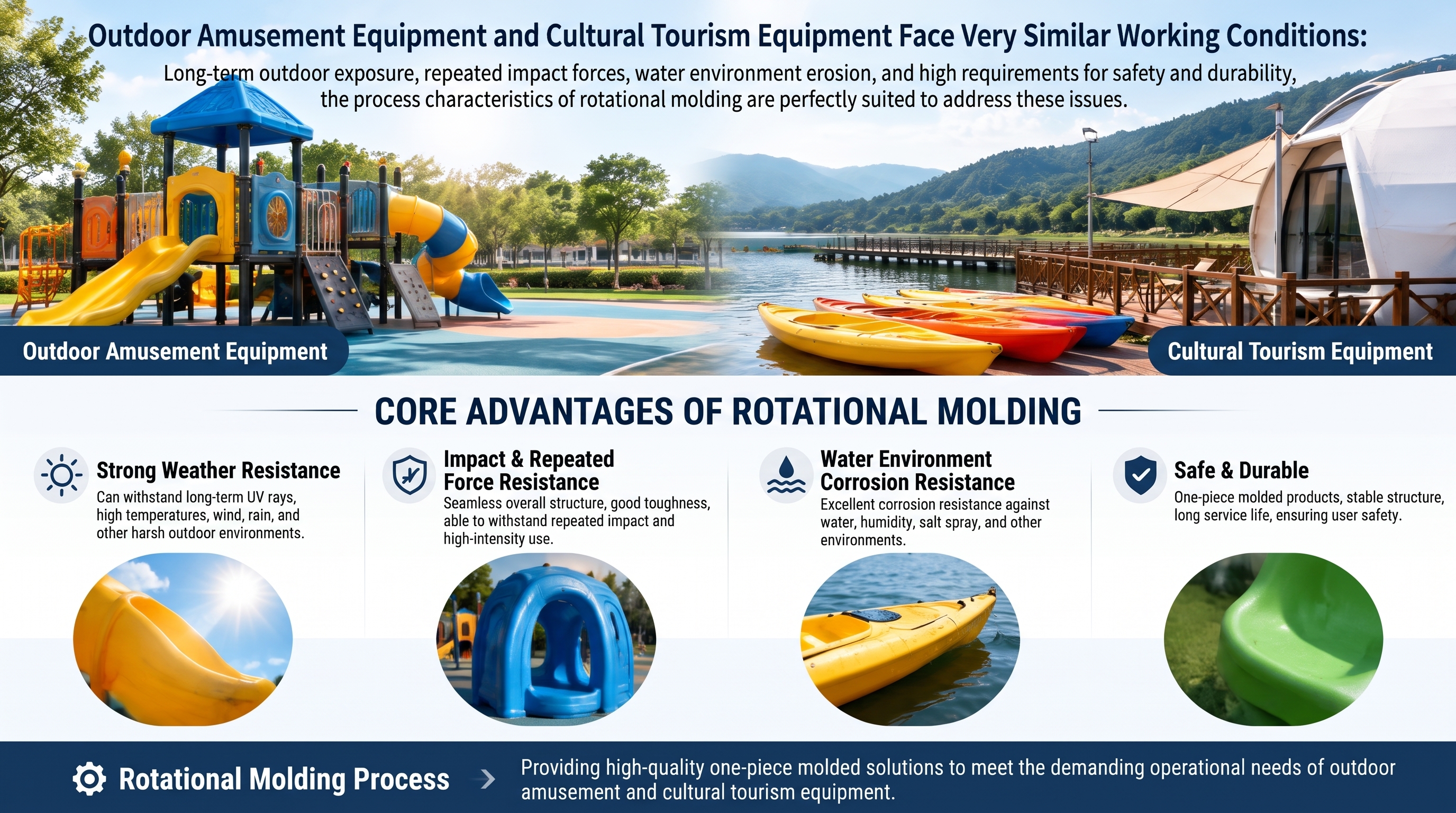
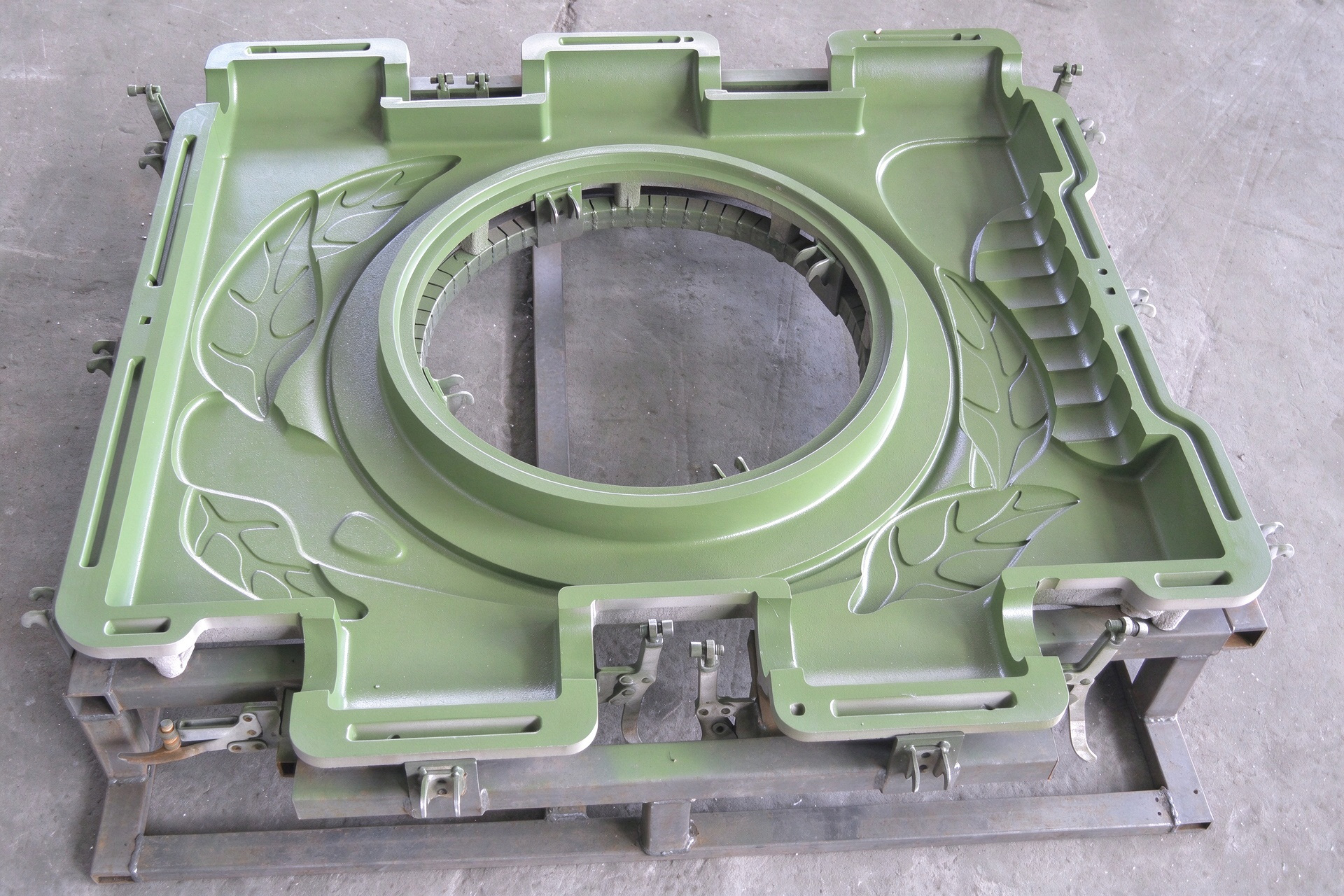
In rotomolding, plastic powder is loaded into a mold; rotating heating makes the molten material adhere evenly to the inner wall of the mold, and after cooling the product is formed as a whole — no welding and no seams throughout. This eliminates leakage risks in water Playground facilities and prevents rusting and cracking of outdoor cultural tourism installations. Leading water parks in Europe and the United States have widely replaced hand lay-up fiberglass with rotomolded slides, significantly reducing maintenance rates.
1.2 Hollow shells combine buoyancy with lightweight design
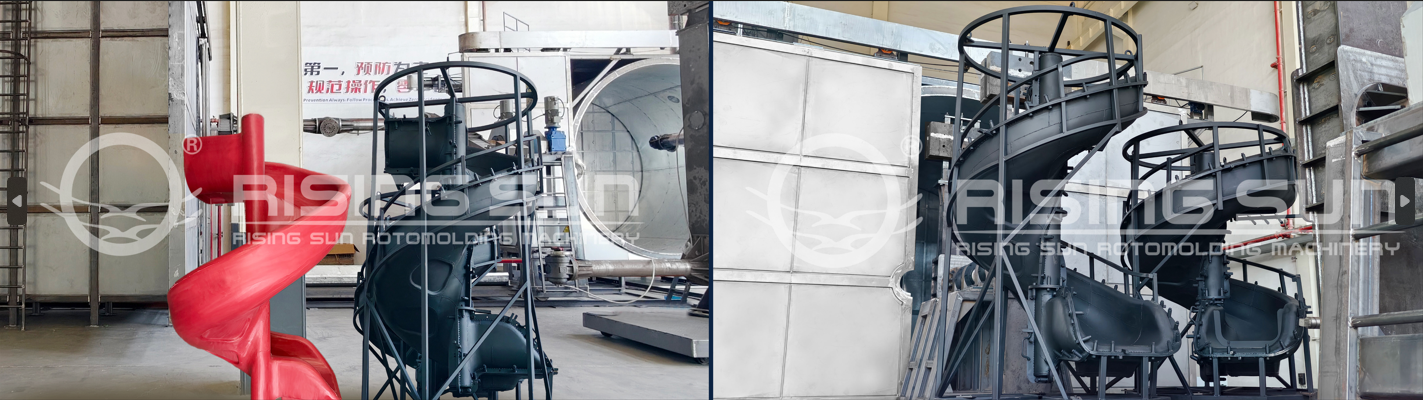
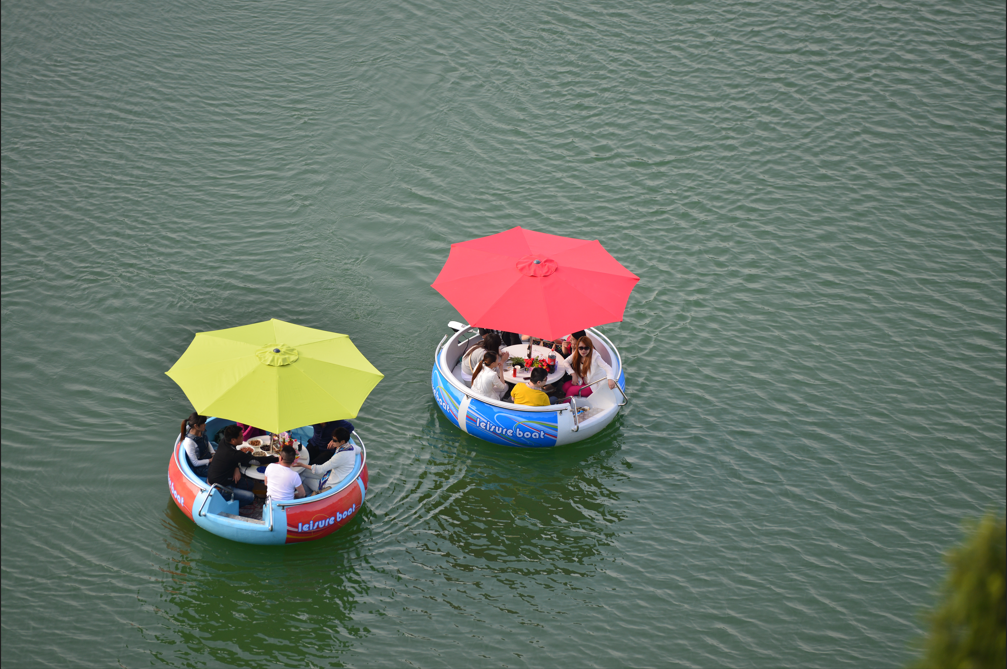
Rotomolded products naturally form hollow shells that provide inherent buoyancy without additional filling, while reducing weight without compromising structural strength. During production, wall thickness can be adjusted differentially according to load requirements — thicker in load-bearing areas and thinner elsewhere — balancing product strength and production cost, suitable for all kinds of water floats and landscape facilities.
1.3 Stable material performance across multiple scenarios
LLDPE, the base material commonly used in rotomolding, is corrosion-resistant, low-temperature resistant, and aging-resistant; through modification it adapts to different scenarios: anti-UV formulations serve long-term outdoor use, resisting sunlight and salt spray; antibacterial formulations suit indoor Playground frequently touched by children; flame-retardant formulations meet fire-protection requirements for enclosed indoor spaces. Its overall adaptability far exceeds that of any single traditional material.
1.4 High design freedom for personalized shapes
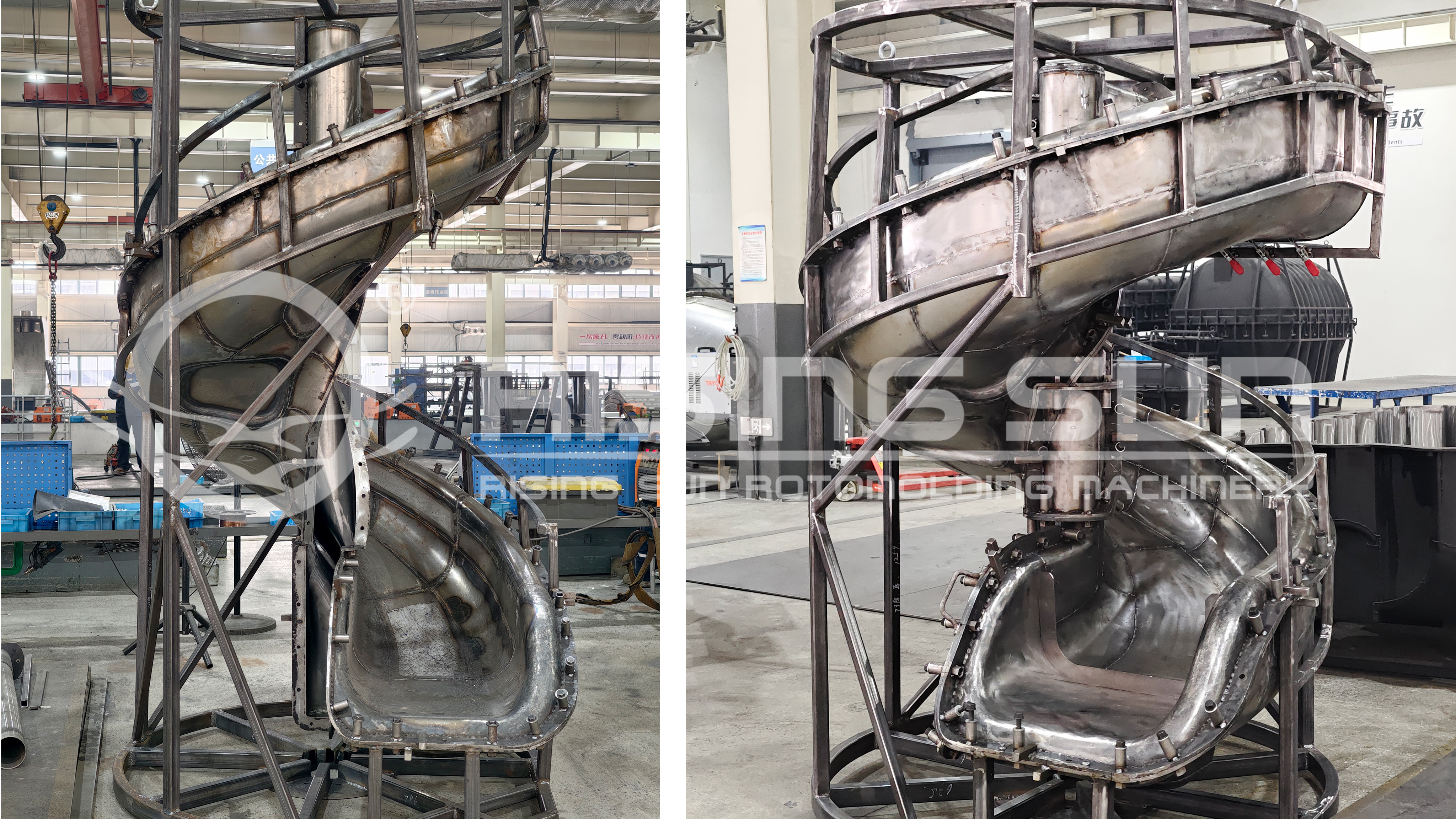
Theme parks and cultural tourism scenarios today generally pursue smooth curves, biomimetic shapes, and personalized designs. Rotomolding places few restrictions on molds, enabling complex curved surfaces and deep-draw structures. From slide entrances and climbing components to landscape buildings and modular houses, everything can be molded in one piece with a single tooling.
1.5 Through-body coloring for lasting aesthetics
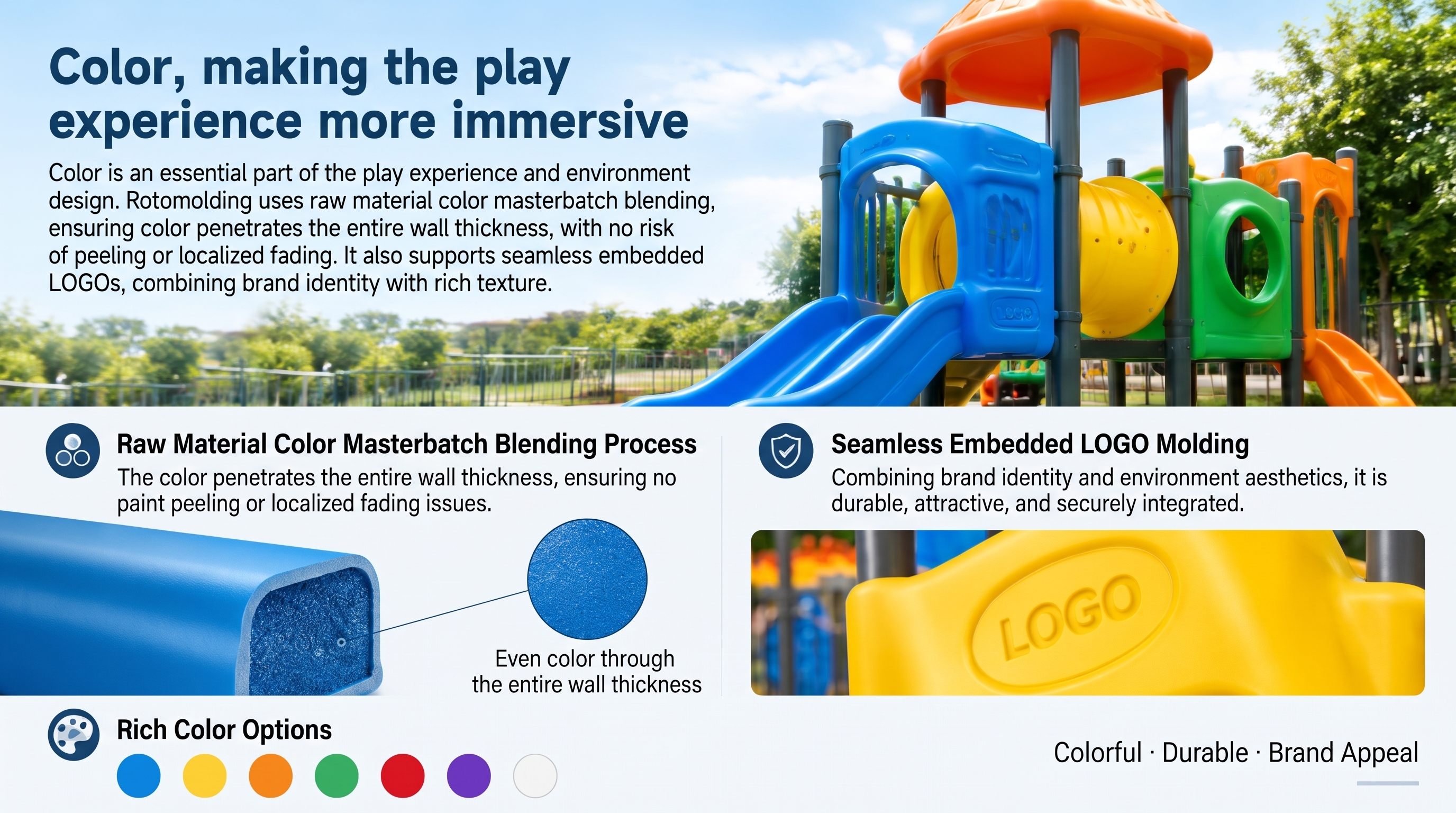
Color is an important part of the Playground experience and scene creation. Rotomolding adopts masterbatch blending at the raw-material stage, so the color runs through the entire wall thickness — no surface paint peeling or partial fading; it also supports embedded logos molded in one piece, combining brand identity with scene quality.
2. Application Scenarios of Rotomolding in Playground and Cultural Tourism Equipment
With these characteristics, rotomolding has developed a mature product matrix covering two major categories: Playground and cultural tourism supporting facilities.
2.1 Playground
(a) Core Water Park Equipment
Water parks are the most mature industrialized application scenario for rotomolding.
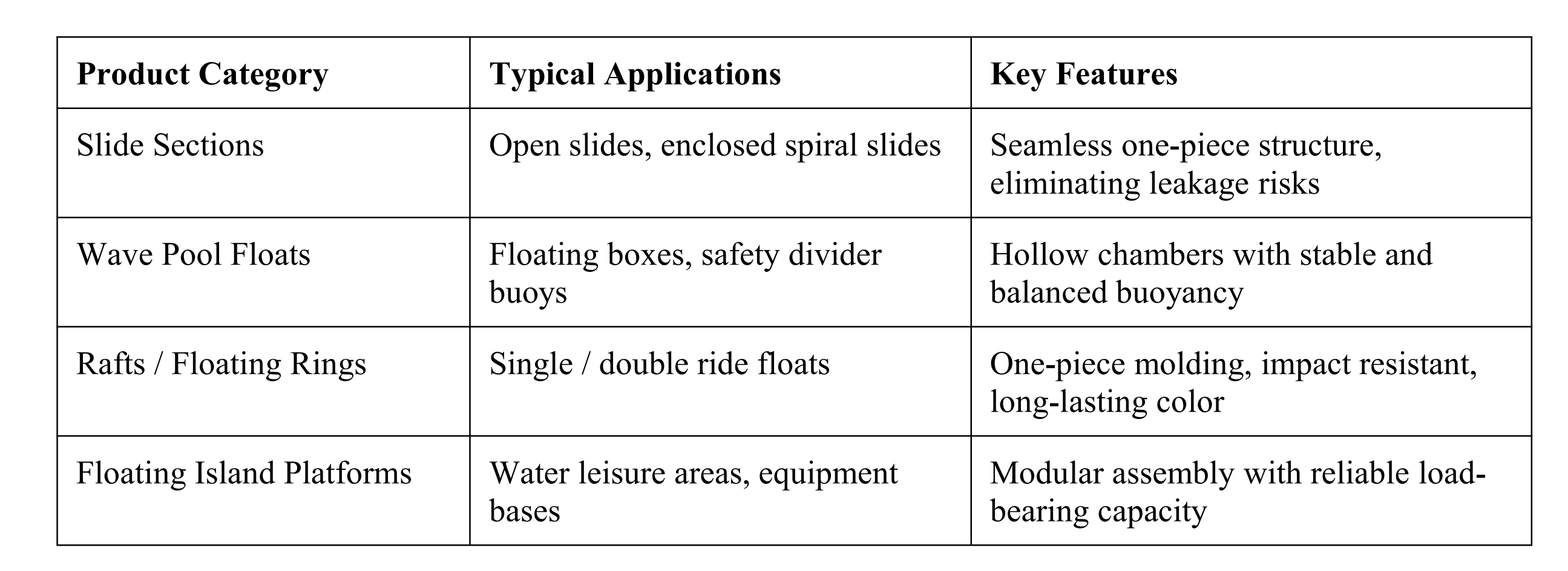
Compared with other processes, rotomolded floating rings have uniform wall thickness and strong puncture resistance, can be made in large sizes over 2 meters in diameter, and the mold cost is only 1/5 to 1/3 of injection molding — outstanding cost performance, widely adopted by domestic manufacturers.
(b) Non-Powered Children's Play Facilities
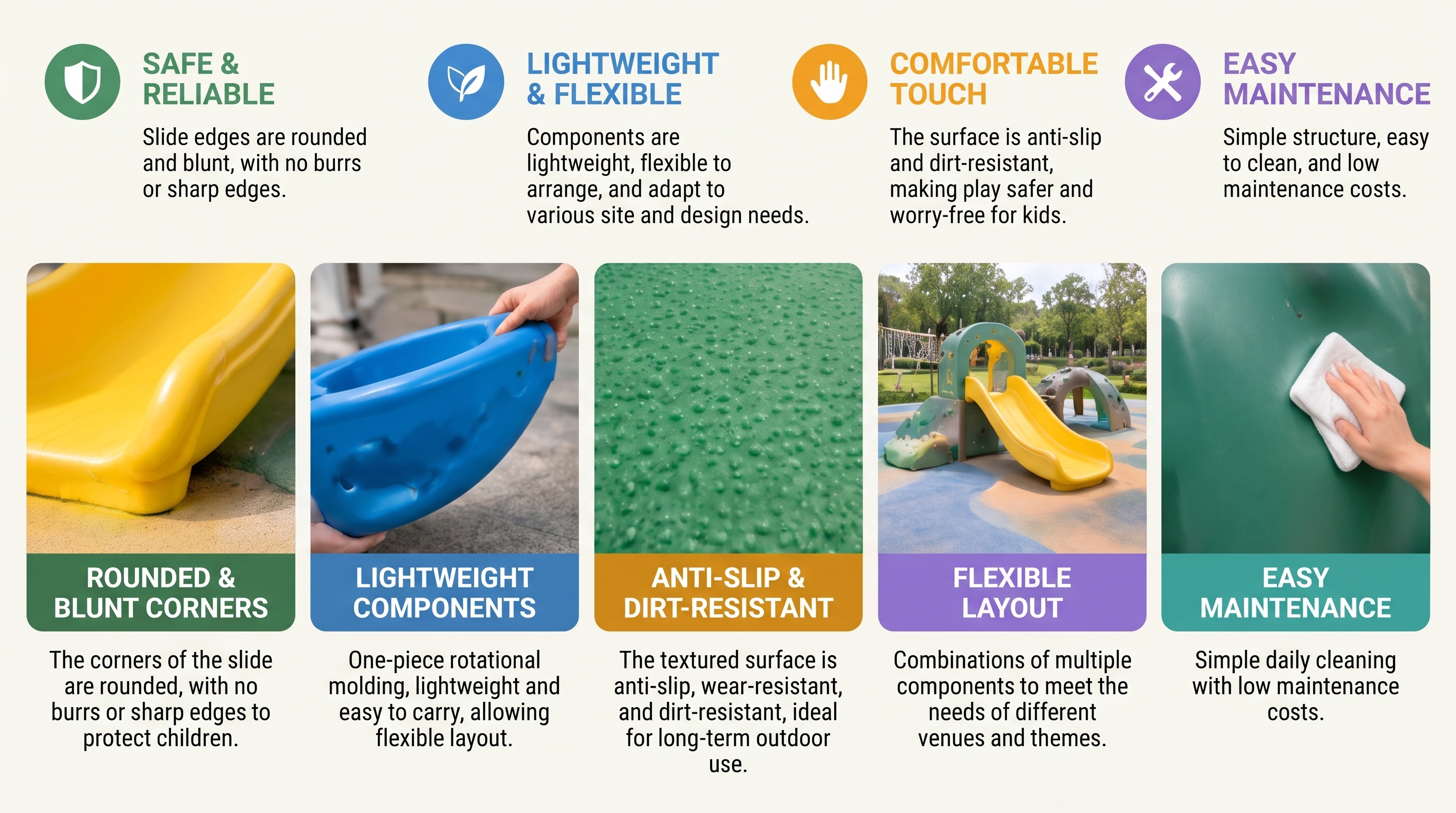
Non-powered parent-child parks have been a hot spot for Playground investment in recent years, focusing on climbing, sliding, and balancing activities with high requirements for safety, touch, and appearance — exactly where the process advantages of rotomolding come into play. Rotomolded slide edges are rounded and blunted, free of burrs and sharp edges; components are lightweight and flexibly arranged, with anti-slip, dirt-resistant surfaces that simplify daily operation and maintenance.
2.2 Cultural Tourism Supporting Facilities
(a) Scenic Waterfront Facilities
The waterfront economy is driving growing demand for water supporting facilities in scenic areas. Rotomolded modular products are widely used in landscape floating bridges, water viewing platforms, and floating stages. A single module can measure up to 2.4m × 1.2m × 0.5m and can be quickly assembled with prefabricated connectors, offering high on-site installation efficiency and gradually replacing traditional steel-structure pontoons.
(b) Municipal Parks and "Park +" Infrastructure
Around the "Park +" business format, rotomolded one-piece products such as landscape pavilions, security booths, convenience service stations, leisure seats, sorting trash bins, and landscape signs can be supplied as an integrated package. These products are seamless and highly weather-resistant, requiring lower maintenance investment than traditional wooden and steel facilities.
(c) Modular Vacation Houses for Cultural Tourism
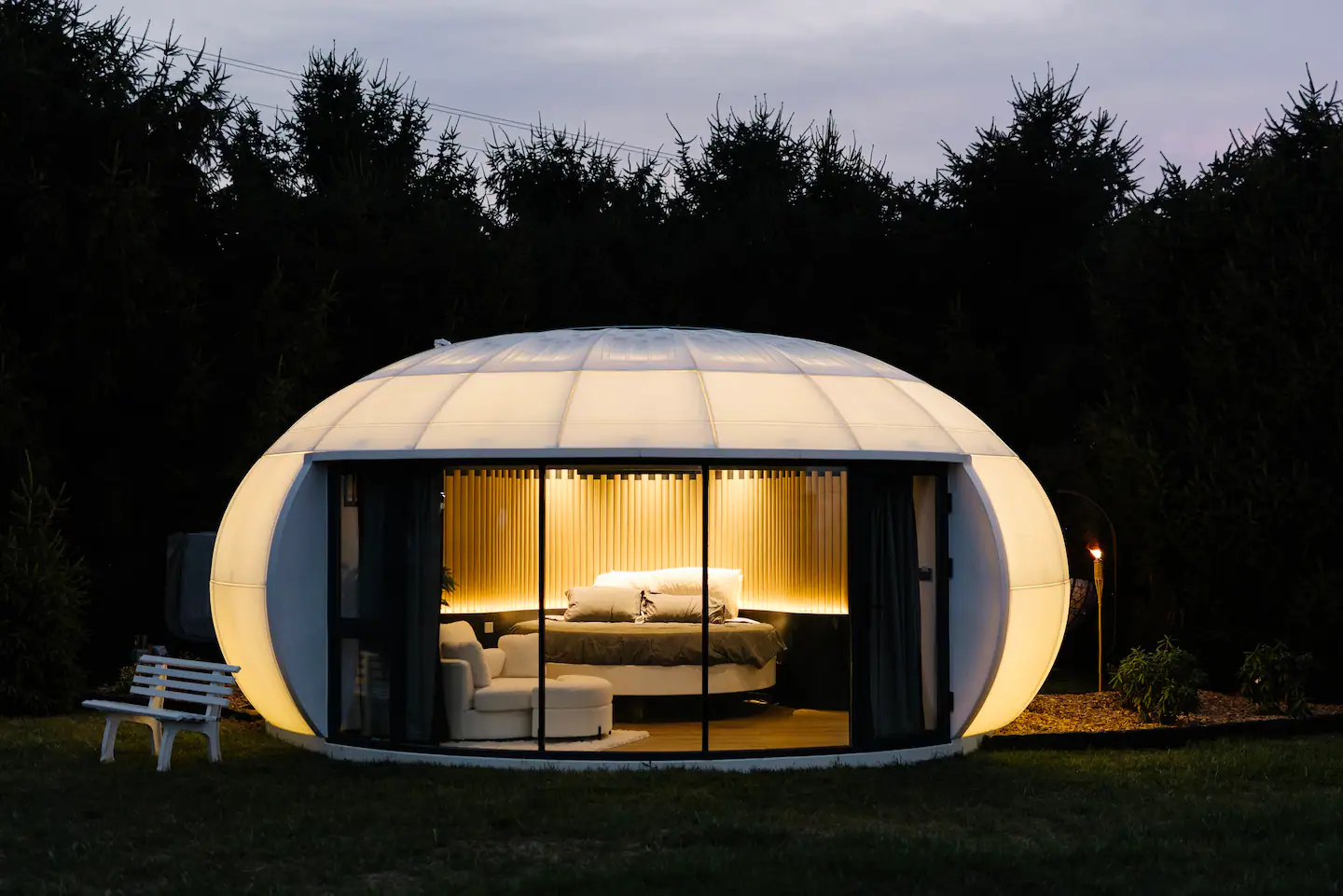
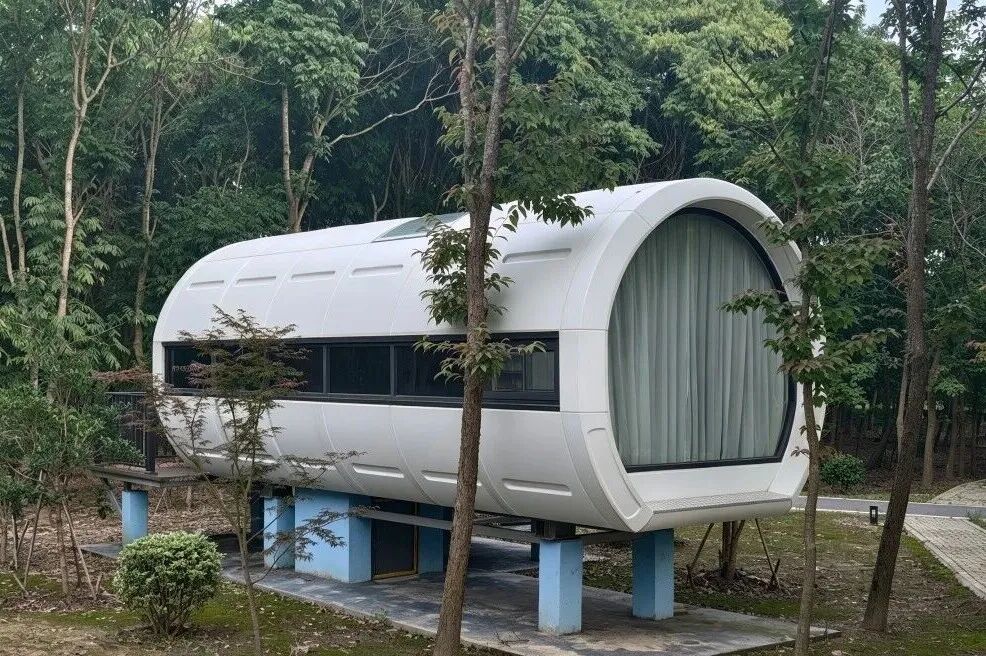
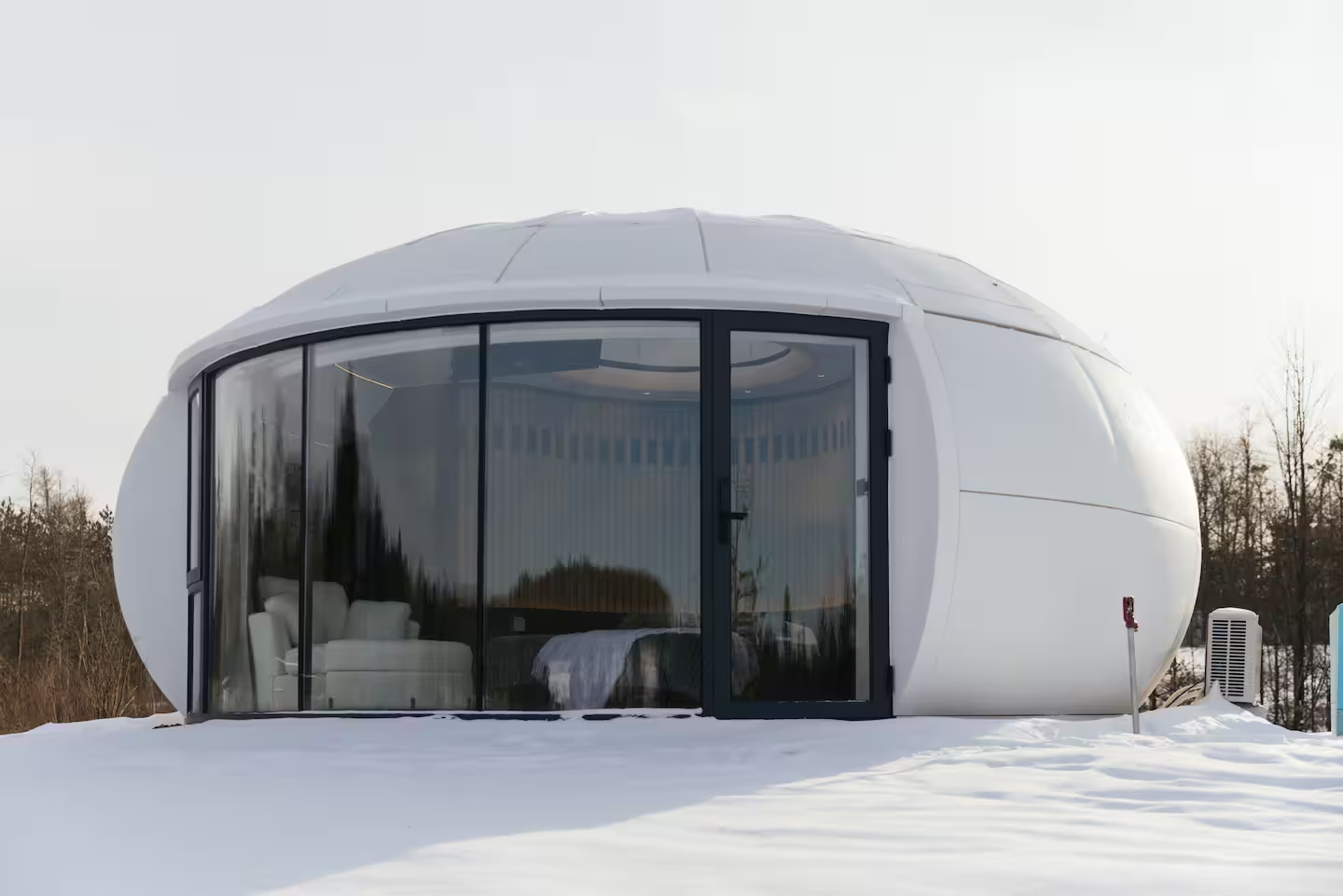
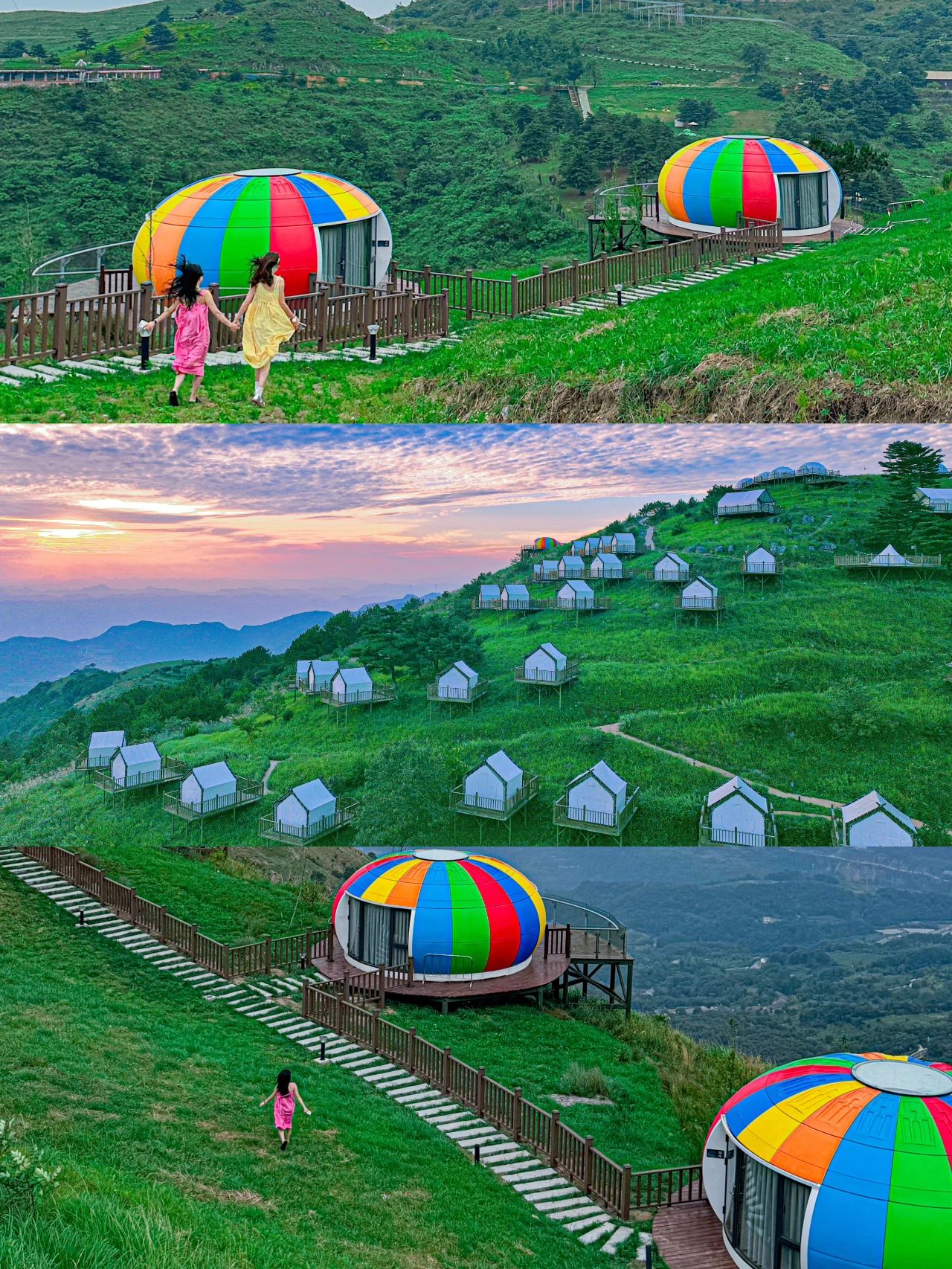
With the camping economy and the upgrading of scenic-area vacations, demand for movable modular cultural tourism houses is growing. Zhejiang BST-TECH Technology Co., Ltd., a subsidiary of Wenling Rising Sun Rotomolding Machinery Technology Co., Ltd., has independently developed the Galaxy Villa and Spaceport series of modular vacation houses, whose main shells are all integrally rotomolded. Compared with traditional civil construction and prefabricated houses, these houses are lightweight and easy to relocate, with short assembly cycles, and can serve as scenic-area homestays and visitor service centers.
3. Key Points of Material and Process Control in Rotomolding Production
Product performance is determined jointly by the material formulation and the molding process, and the appropriate type must be matched to the application scenario.
3.1 Mainstream Material Types
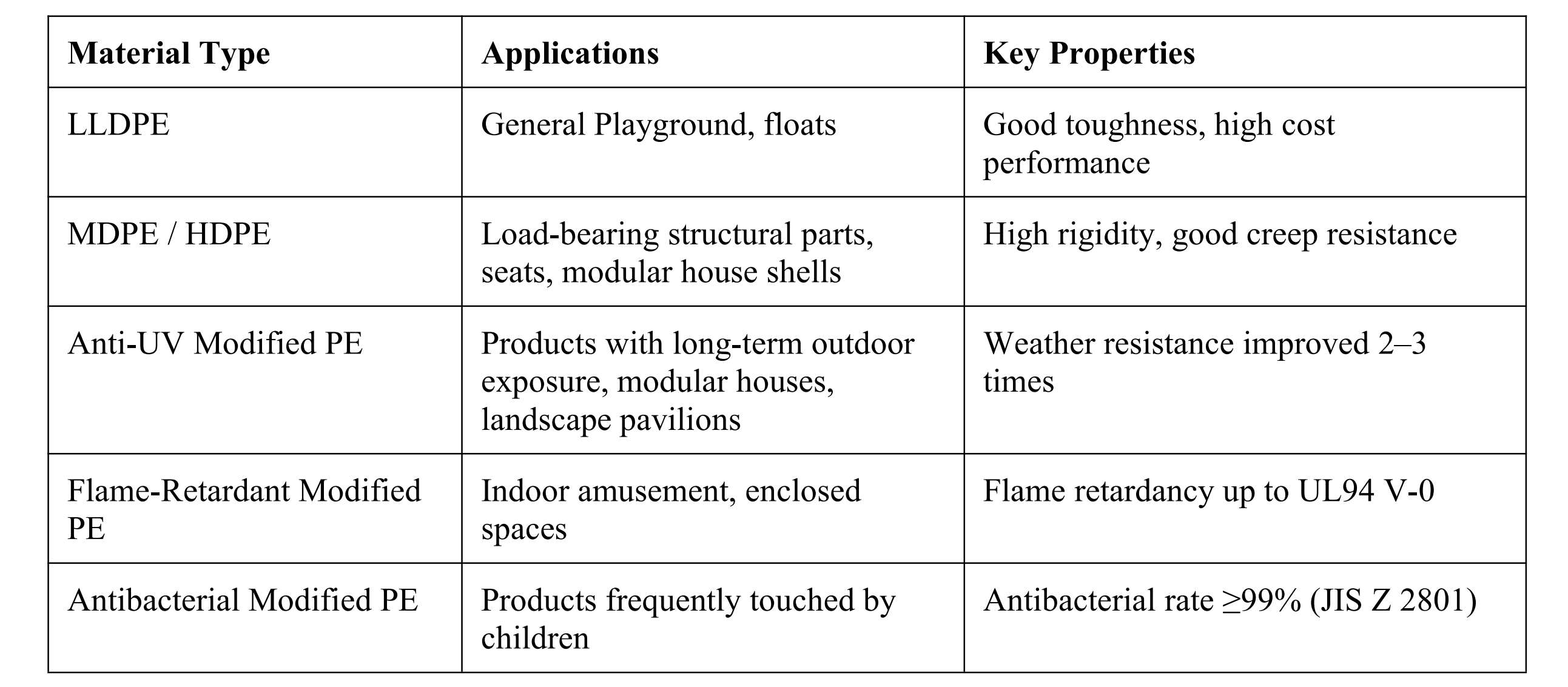
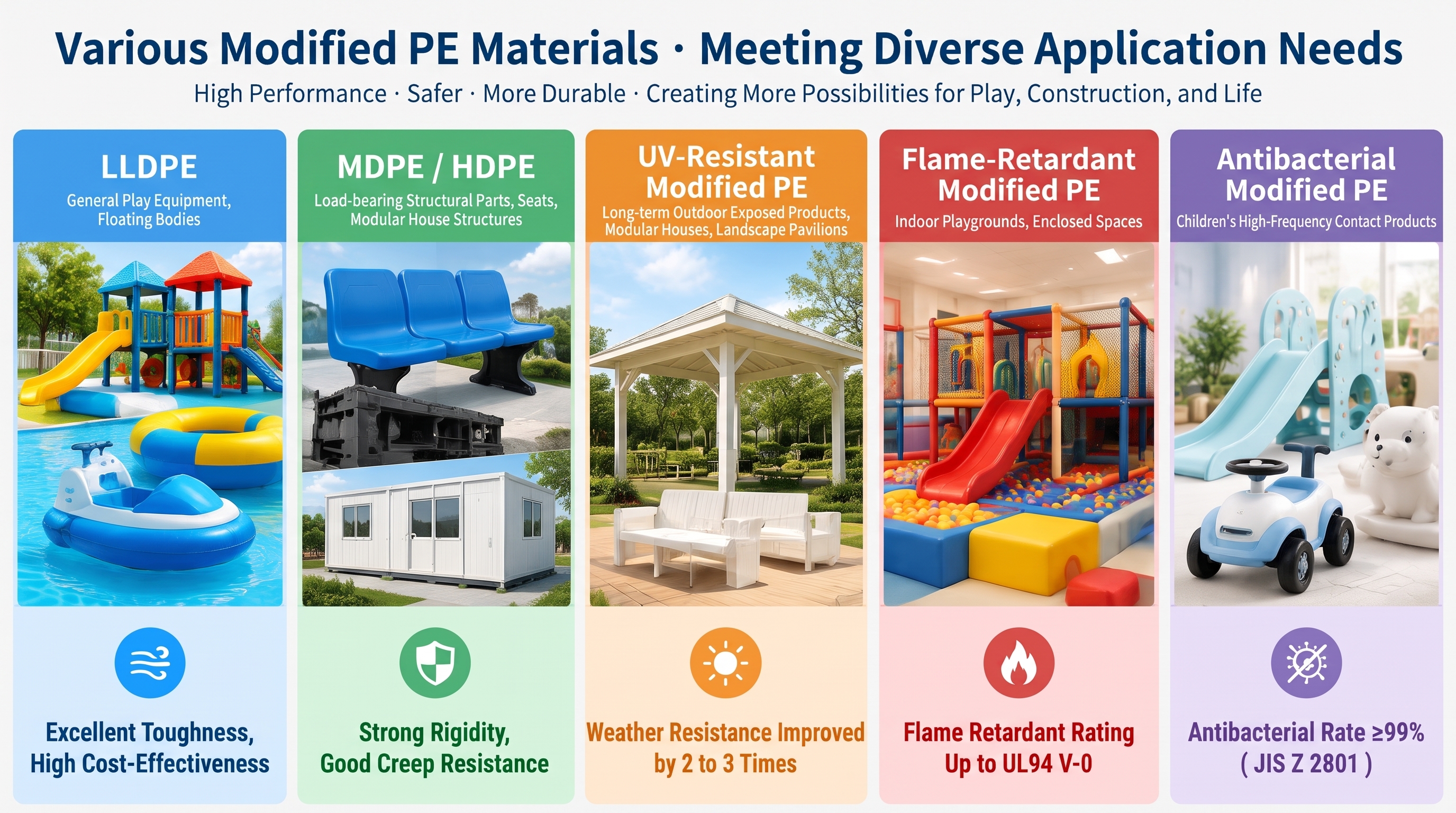
3.2 Key Process Control Points
Wall thickness should be designed differentially based on stress analysis — reinforced in load-bearing areas and reasonably thinned on non-load-bearing surfaces; transitions where wall thickness changes should use R-angle fillets to avoid stress concentration and cracking. The in-mold embedded metal insert process can also be used to integrate connecting flanges and lock interfaces; modular houses can additionally embed door, window, and utility pipeline points, requiring almost no secondary processing after molding and improving assembly efficiency.
4. Industry Market Development Trends
As the cultural tourism industry shifts from "sightseeing" to "in-depth experiences", the renewal of Playground and the expansion of cultural tourism facilities are advancing simultaneously.
4.1 Existing projects enter a concentrated replacement cycle
The recovery of the cultural tourism market has driven visitor flows back up; water parks and theme parks built around 2015 have entered an 8–10 year replacement cycle. Traditional fiberglass and steel-structure products suffer from aging, leakage, and corrosion, creating heavy maintenance burdens; rotomolded products, stable and durable, naturally become the preferred solution for renovating existing projects.
4.2 New tracks bring incremental growth
Non-powered parent-child parks, rural cultural tourism, and urban pocket parks have become hot spots for cultural tourism investment. These projects place greater emphasis on equipment safety, design variety, and long-term operating costs — a high degree of fit with the rotomolding process. From 2023 to 2025, more than 200 non-powered parks were under construction or planning in China; combined with quality upgrades of county-level scenic areas, the incremental market is considerable.
4.3 The vacation boom fuels modular houses
The industry is transitioning from sightseeing tours to vacation stays, and demand for scenic campsites and light-vacation homestays is rising. Traditional civil construction has long cycles, high costs, and poor flexibility, unable to keep pace with project iteration. Rotomolded modular houses, with their mobility and fast construction, fit the needs of vacation projects for rapid delivery and operation, supporting the upgrading of "Park +" and "Scenic Area +" business formats.
4.4 Green and low-carbon as a long-term direction
Cultural tourism projects are increasingly emphasizing sustainable operations, with ESG low-carbon evaluation gradually incorporated into assessment standards. PE materials support repeated melting and remolding, and scraps and waste products can be 100% recycled. Leading enterprises in the industry have begun introducing PCR post-consumer recycled materials, reducing carbon footprint while ensuring performance.
Conclusion
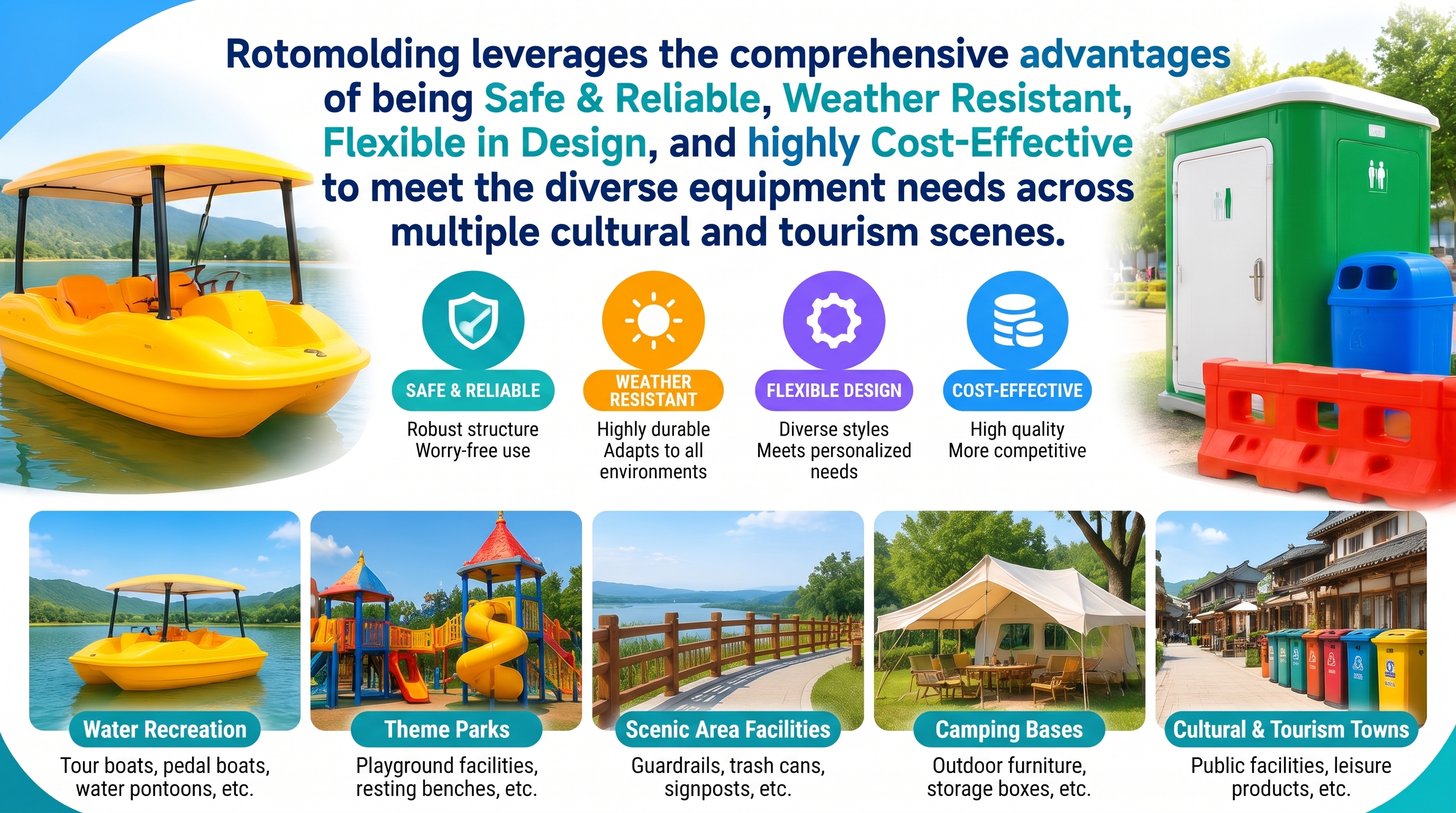
Rotomolding is not a new process in the field of Playground and cultural tourism facilities, but its application scenarios keep expanding. From core Playground such as water slides and non-powered facilities, to cultural tourism supporting facilities such as pavilions and service stations, and further to modular vacation houses such as the Galaxy Villa and Spaceport series, rotomolding — with its combined advantages of safety and reliability, weather resistance and durability, flexible shaping, and outstanding cost performance — can cover equipment needs across multiple scenarios in the cultural tourism industry.
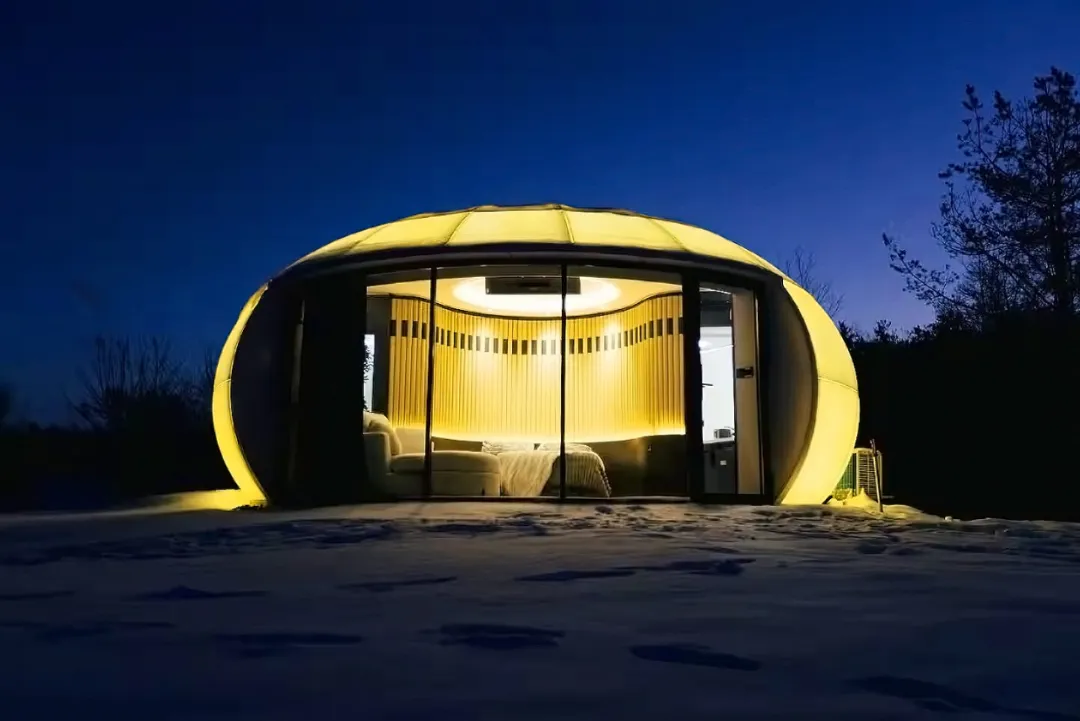
Wenling Rising Sun Rotomolding Machinery Technology Co., Ltd. and its subsidiary Zhejiang BST-TECH Technology Co., Ltd. have been deeply engaged in the industry for many years, pursuing technological R&D and product innovation in parallel, continuously refining production processes, and have established a full-category product portfolio.
Industry colleagues are welcome to exchange ideas; for sample customization or on-site factory visits, please feel free to contact us.
Email: info@risingsunroto.com
Website: www.risingsunroto.com




 浙公网安备 33108102000897号